A practical problem, a personal solution
Kitchen Toolkit didn't start as a startup idea. It started as anxiety. L.B. was covering duties beyond his own role in a fast-paced commercial kitchen — stepping into tasks that weren't originally his, in an environment where the cost of getting it wrong was real. Recipes to know. Expiry dates to track. Checklists to get through. No good tools. Just pressure.
So he built something for himself. A small app to search recipes, track dates, and cross off tasks — a personal shortcut to get through the shift without dropping the ball. Others around him noticed it. It simply grew.
"It started as anxiety. It ended up as a platform."
From a single app to a full operational platform
The scope expanded quickly. L.B. rebuilt everything for real commercial use — reliable enough that a busy kitchen could actually depend on it. And as the platform took shape, one thing became clear: software alone wasn't enough. A complete operational system either removes humans from error-prone tasks, or keeps them in the loop with the right information at the right time. That meant sensors. That meant hardware.
Kitchens can't be assumed to have stable internet. The platform was built to work without it — offline-capable, operator-controlled, with compliance logging, freshness tracking, and a UI designed for the physical realities of a working kitchen.
The hardware gap — and a turning point
A new problem came into focus. Temperature monitoring in commercial kitchens was outdated, unreliable, and often effectively non-existent. Manual readings logged by hand were the norm — a process prone to gaps, errors, and outright forgetting.
The cost was visible. Walk-in coolers failing silently — no alerts, no visibility — were quietly responsible for thousands of dollars in lost stock. Spoilage that a single sensor could have caught hours earlier. Not dramatic. Slow, invisible, and completely preventable.
On September 4, 2025, L.B. decided to try something he had never done before. He had never touched embedded electronics, soldering, radio hardware, or sensors of any kind.
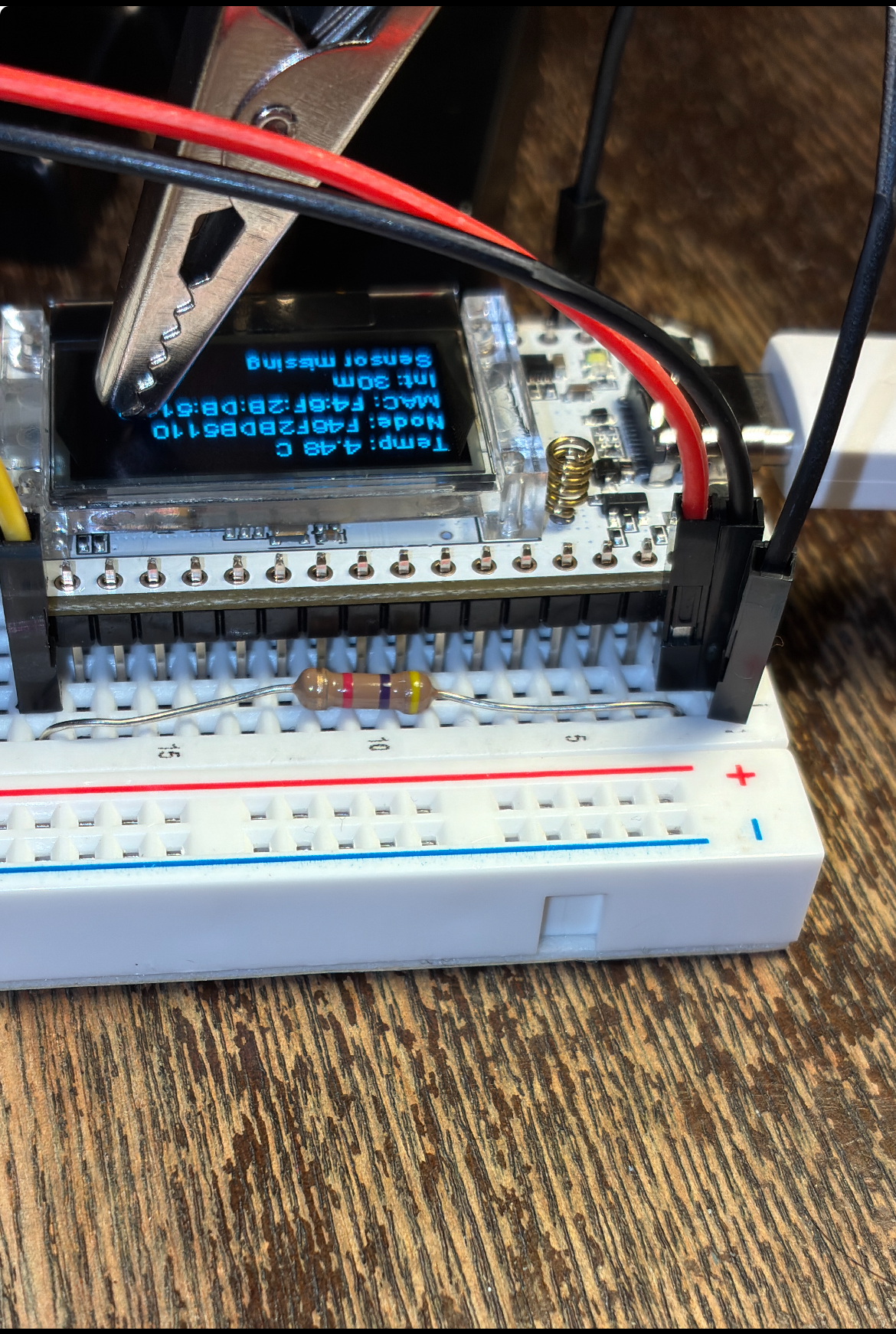
Within hours, he had a live reading on screen. That moment changed the direction of the entire project.
Rapid evolution — from beginner to hardware engineer
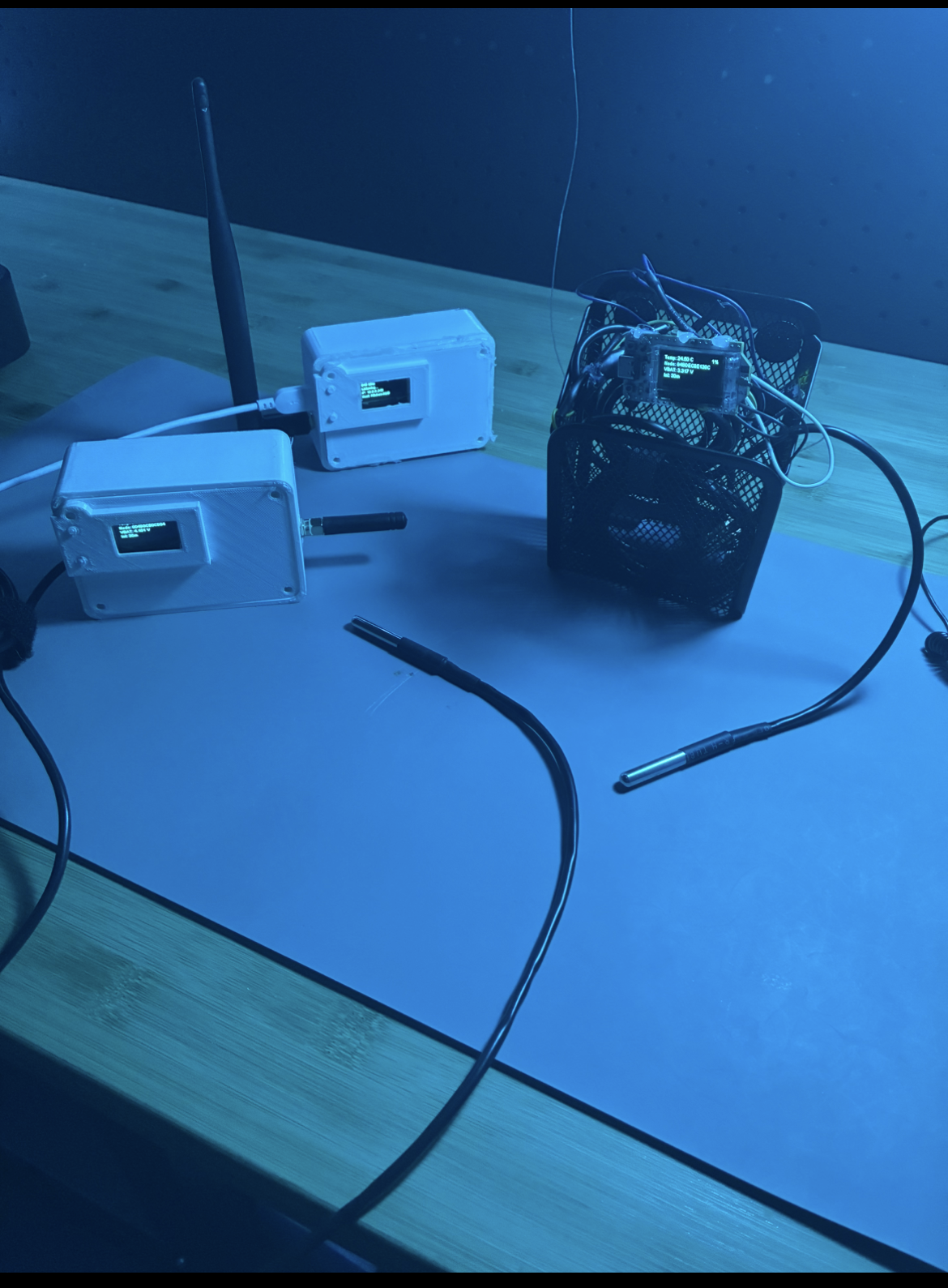
Working independently, L.B. built the full stack of embedded hardware — not from theory, but by building functioning systems under real constraints.
Firmware. Electronics. Power. Radio. Wireless networking. Cloud integration. Each layer built from scratch, tested under real conditions.
Turning prototypes into a real product
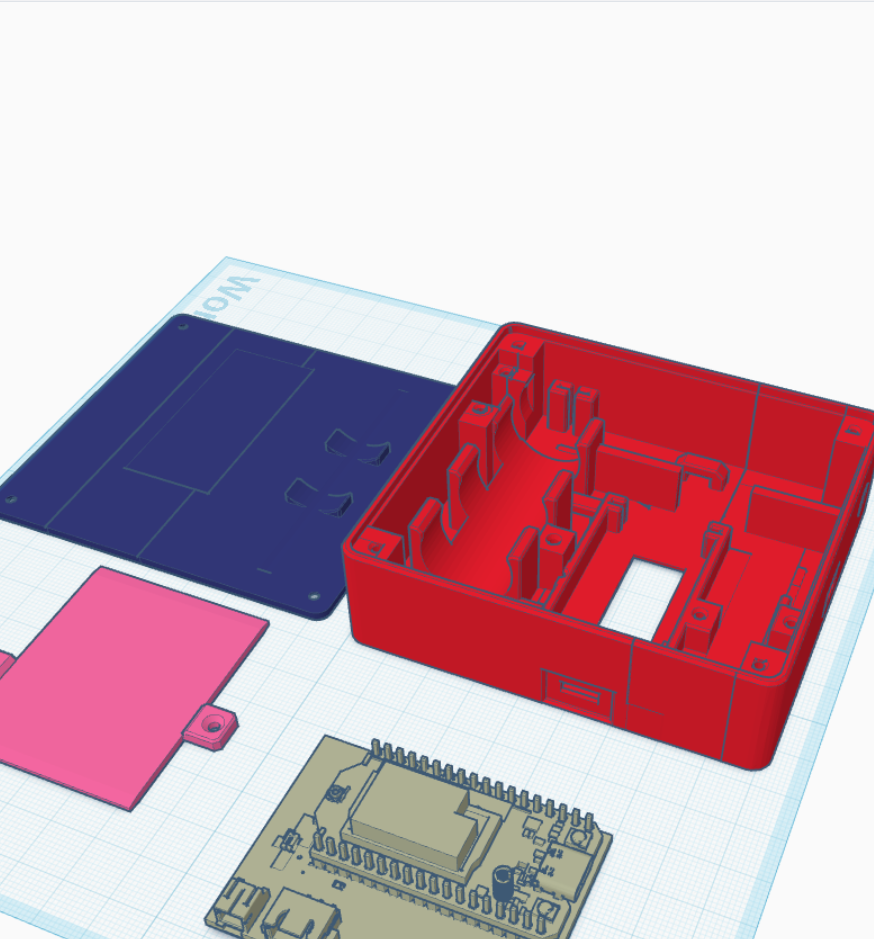
The focus shifted from proving the concept to hardening it. Everything was brought up to product-quality standard: custom enclosures, a polished on-device interface, a stable multi-node wireless network, and a complete gateway system — all working together as a deployable unit.
The hardware had to survive a commercial kitchen — heat, moisture, grease, and rough handling. Every design decision accounted for it.
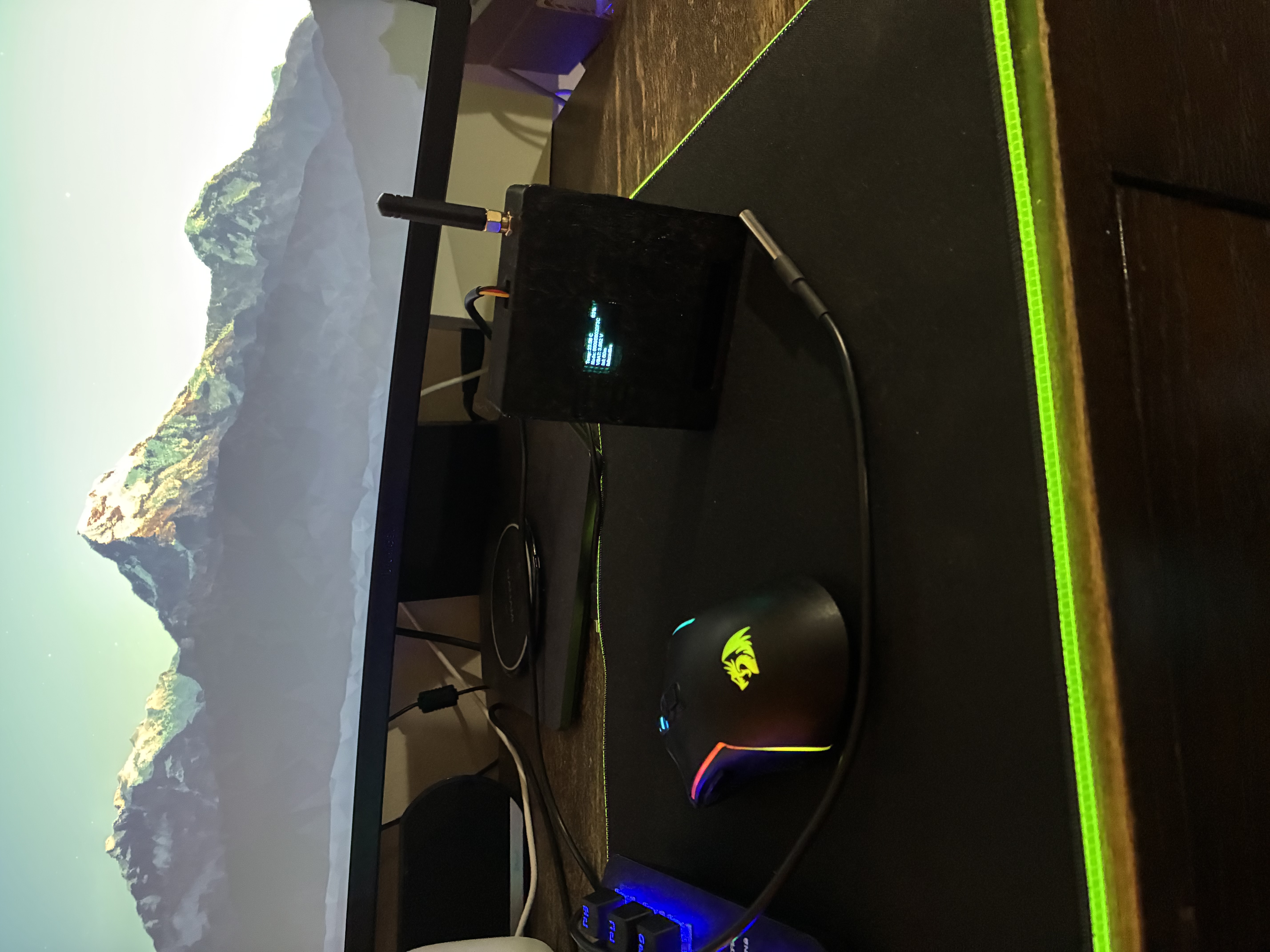
A commercial-ready PCB — designed in under 48 hours
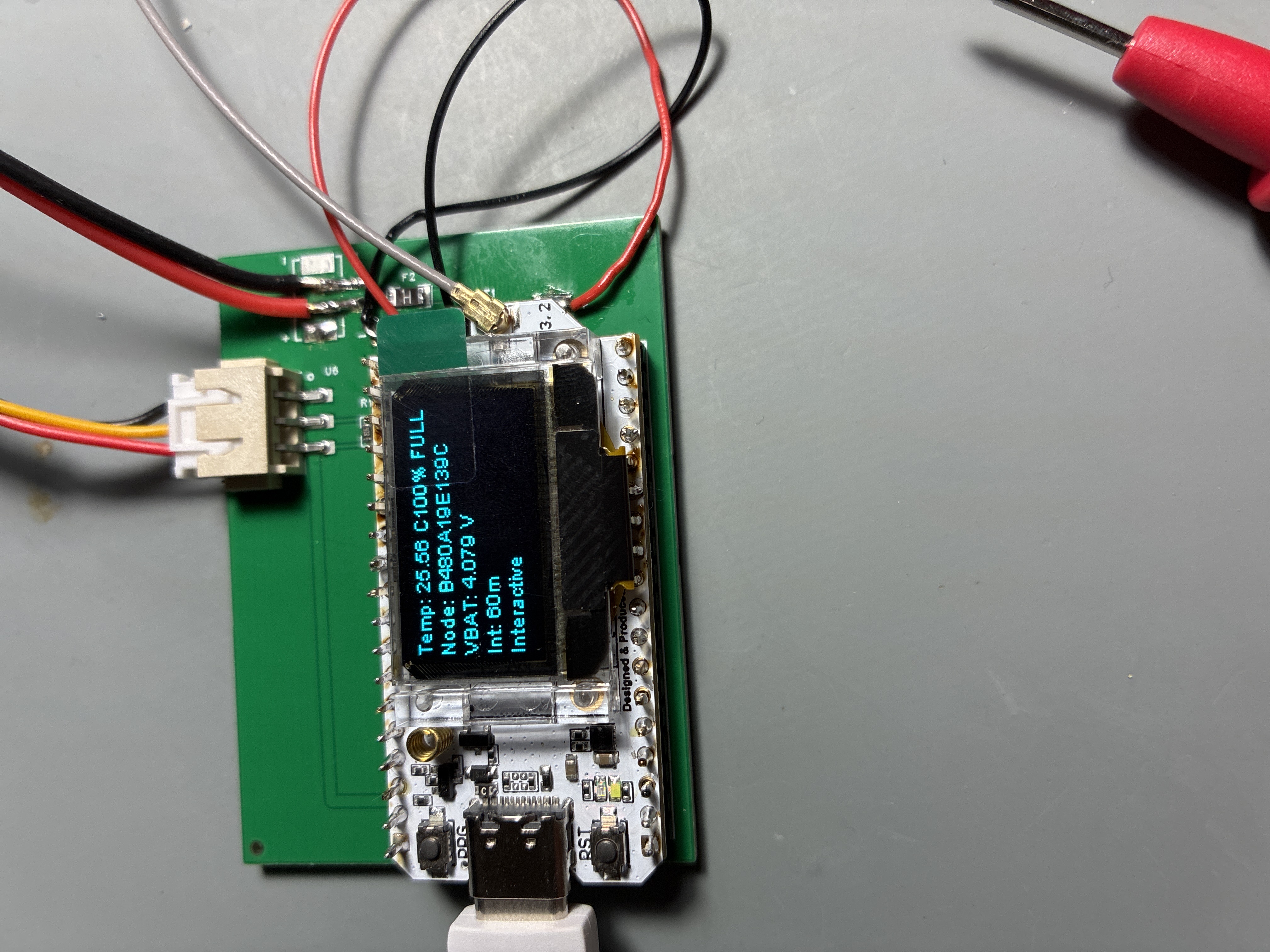
The final step was moving from hand-wired prototypes to a production-ready circuit board. L.B. had never designed a PCB. He learned what he needed and built one — over 48 hours, start to submission.
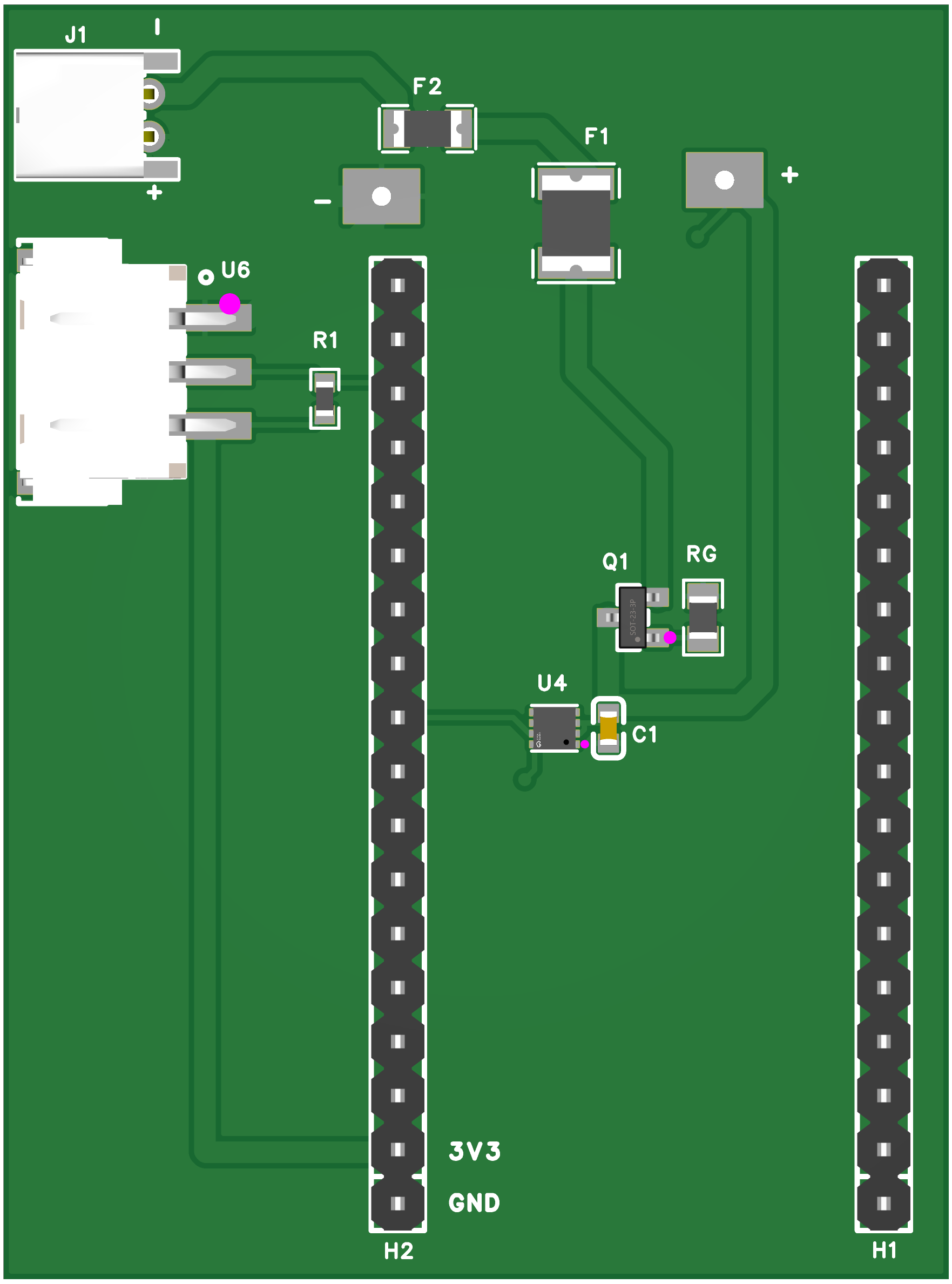
The board passed manufacturer review on the first submission. Clean, compact, and mass-producible — fully professional hardware, designed in-house.
Kitchen Toolkit — end to end
What started as a personal app is now a fully integrated software, hardware, and cloud platform — built almost entirely end-to-end by a single founder.
Kitchen Toolkit wasn't born from theory. It was built by someone who lived the operational pain firsthand — and then engineered a solution that kept growing until it covered everything a modern commercial kitchen actually needs.
L.B. — self-taught engineer, designer, developer, founder
L.B. entered July 2025 as a kitchen worker with a knack for software. He exited November 2025 as a full-stack engineer, embedded firmware developer, PCB designer, and hardware product builder — with a commercially deployable system to show for it.
In four months, one person built the full stack — software to firmware to custom hardware — starting from real industry experience and zero hardware background. What began as a personal need became a platform built from the inside out.